

Exploring California’s Agave Farming Revolution
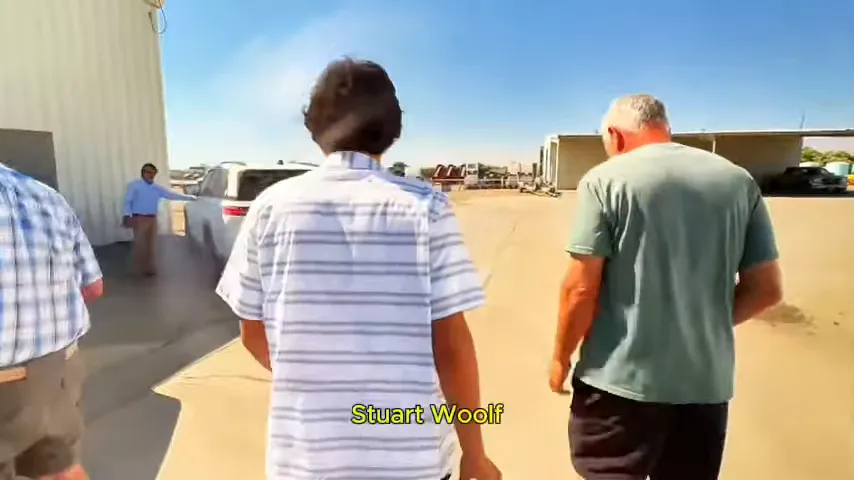
The agave spirit revolution is upon us, and we’re ready to dive into the fascinating world of tequila and mezcal production. Join us on our journey at Mulholland Estate Agave Farm, inspired by the incredible insights learned from visiting Stuart Woolf’s expansive Agave Farm in California.
Welcome to the Agave Farm Gold Rush
When you think of California, you might picture sun-soaked beaches or sprawling vineyards. But there’s a new player in town, and it’s planting roots right alongside those iconic crops—the agave plant. We had the pleasure of visiting Woolf Farm, where Stuart Woolf is diving headfirst into the agave gold rush.

AGAVE SPIRIT-FROM JALISCO TO HOLLYWOOD
The Diverse Crops of Woolf Farm
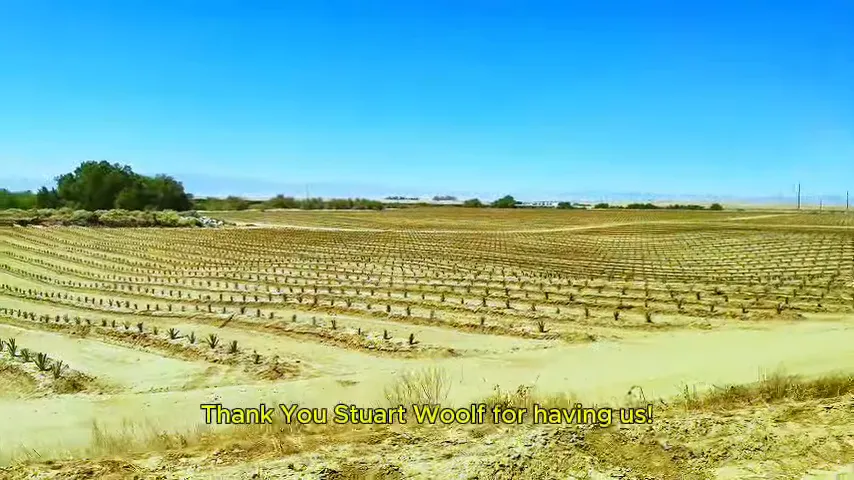
Stuart has a legacy of farming that extends beyond just agave. Woolf Farm is a veritable cornucopia of crops, including almonds, pistachios, and processing tomatoes. His is one of four tomato processing companies in California, representing a third of global production. “This county will produce the same if not more tomatoes than Italy.” Why agave, you ask? Stuart identified it as a drought-tolerant crop that fits beautifully into California’s climate. With 400,000 agave plants, he’s not just dipping his toes in; he’s making a full-on cannonball!
A Family Legacy in Farming
Stuart’s journey is as much about family as it is about farming. At 65, he’s contemplating passing the torch. But wait—his siblings aren’t ready to let him go just yet. They’ve rallied behind the idea of cultivating a climate-resilient crop. Talk about family teamwork.

Growing Agave: A Climate Resilient Crop
Agave isn’t just a pretty plant; it’s a smart choice for the future. Stuart has embraced the challenge of growing it in a climate that can be unforgiving. He shared stories about the ups and downs of planting agave, including the initial slow growth that had him worried. But, like a good plot twist, things turned around, and he’s now pleased with the results.

Agave Varieties: Espadin, Blue Weber and More
Ah, the agave plant is not a one-size-fits-all affair. Stuart is experimenting with different varieties other than Espadin and Weber. Mapi Saga, Weberii Samianas, Lila Mino, each type has its unique characteristics, influencing flavor profiles and growth patterns. It’s like choosing between a classic red and a bold white wine—each has its place and purpose.
Watering Techniques for Agave Plants
Watering agave is an art form. Stuart uses a drip irrigation system to provide just the right amount of moisture—about a third of an inch every month. He’s got the science down to a T, ensuring that the plants thrive without drowning them. It’s a delicate balance but agave require 75% less water than grapes on a per acre basis.
As we walked through the fields, it was clear that Stuart’s passion for agave farming is contagious. He dreams of building a distillery to craft unique spirits that show California’s terroir. While our Mulholland Estate Agave Farm may not have the space for such grand plans, we’re inspired by his vision. The future of agave in California is bright, and we’re here for it!
The Propagation Process
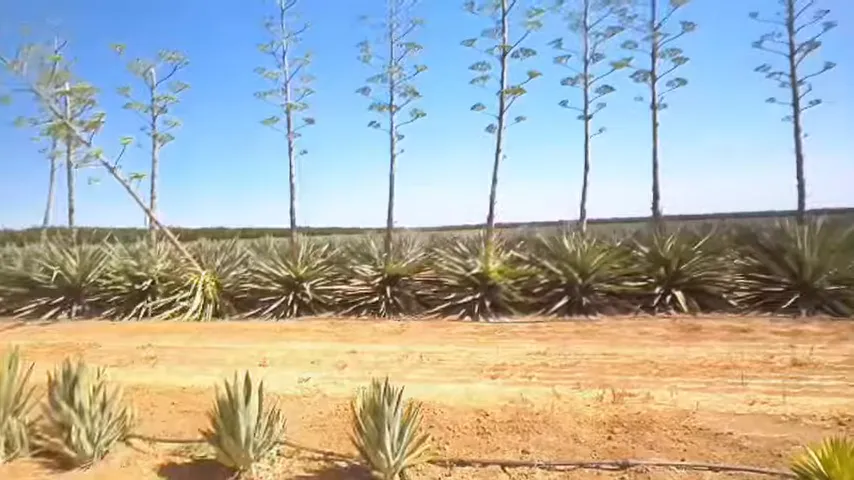
Propagation is where the magic begins. Stuart explains, “Hijuelo is the way to go. You put a hijuelo in the ground and within a year each offshoot 3-4 new hijuelo.” Stuart has 52 Blue Webers that have sent up a long stalk called a quiote, producing around 1000 bulbils that can be planted as well. That’s a lot of Agave from one plant!
The agave plants here are not just growing; they’re evolving.
Innovative Uses for Agave Leaves
While we often think of agave as just the source for tequila and mezcal, at Mulholland Estate we’re thinking outside the box. Exploring the potential of agave leaves in various markets, including skincare products. We imagine using agave for aftershave or pre-shave products.
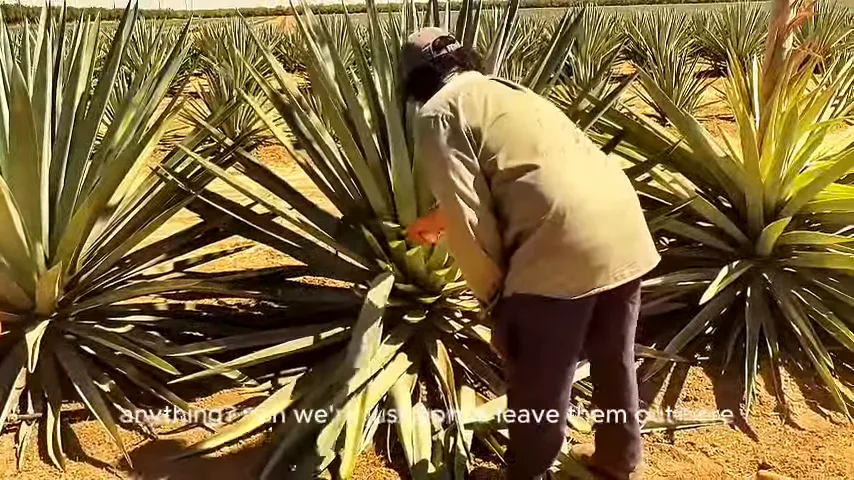
In Mexico agave can is utilized beyond spirits. The fibers is woven into textiles, and the leaves are used for natural fertilizers. It’s a versatile plant that’s about sustainable living.
Building a Distillery: The Future of Mulholland Estate?
Ah, the dream of building a distillery. While our Mulholland Estate Agave Farm may not have the space for such grand plans, we’re inspired by Stuart’s vision. He’s already dreaming of a distillery that will craft spirits unique to California’s terroir.

Stuart’s excitement is palpable when he talks about his plans. “I want to create something that reflects our land and our heritage,” he said. It’s not just about distilling; it’s about telling a story through each bottle. And while we may not be building a distillery just yet, we’re definitely taking notes!
Tasting and Distilling: A New Approach
When it comes to tasting and distilling, Stuart is all about experimentation. He’s keen on creating blends that combine different agave varieties. “It’s like crafting a new recipe—every batch is an opportunity to discover something delicious,” he explained.
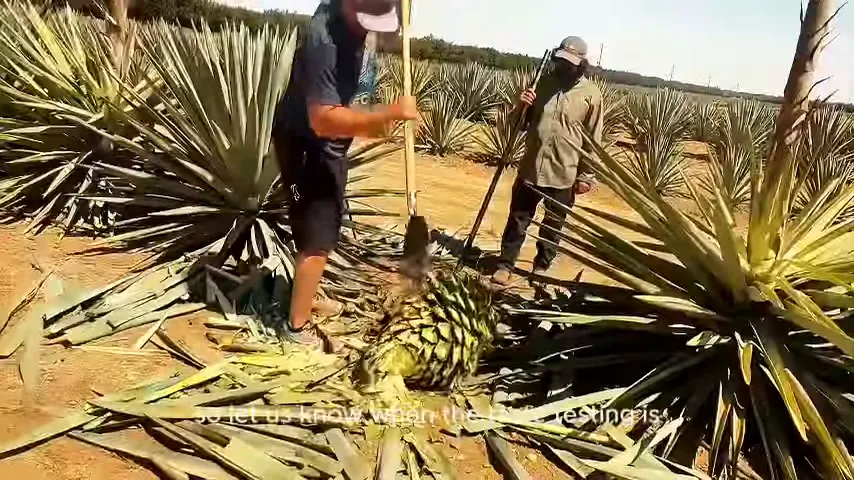
His approach is refreshingly informal. “I’m not just chasing the perfect tequila; I want to see what happens when you mix things up,” he shared with a twinkle in his eye. This experimentation is what sets Stuart apart and is something we hope to adopt at Mulholland Estate.
The Road Ahead: Scaling Agave Production
As we look to the future, scaling agave production is a key focus. Stuart believes that by collaborating with other growers and sharing resources, the agave industry in California can thrive. “It’s all about community,” he said. “We’re all planting them, thinking if we plant them, they will come”
At Mulholland Estate, we share this vision. The dream is to cultivate a thriving agave community that not only produces exceptional spirits but also supports sustainable practices and resilience against climate change. Together, we can elevate agave to new heights.
So, whether you’re sipping agave spirits or dreaming of your own distillery, remember that every great journey starts with a single plant. Cheers to the future of agave farming—let’s make it a spirited one!
Priti